Lulu-Lala: The Handwritten Font for Boutique Branding
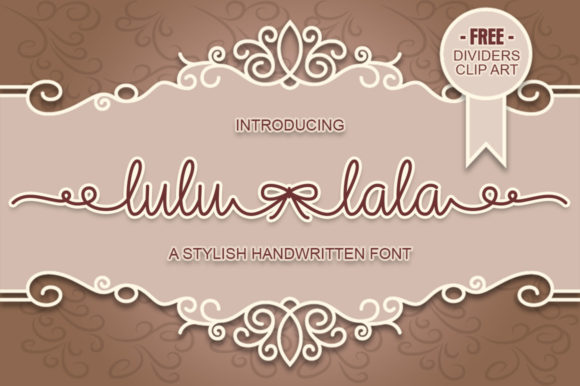
As a small business owner, I have learned that your brand’s voice is just as important as your product. When I first started my online shop, I realized that generic templates made me look like everyone else. That changed when I discovered Lulu-Lala, a cute and charming handwritten font with a unique twist. It immediately gave my brand the personality it was missing, transforming simple product labels into memorable experiences. If you are looking to elevate your visual identity without hiring an expensive designer, understanding how to use this specific type of Script Handwritten Fonts can be a game-changer for your marketing materials.
Lulu-Lala for Product Labels and Packaging Design
The first place where Lulu-Lala shines is on physical touchpoints like product labels and packaging. In the crowded world of handmade goods, cosmetics, or gourmet foods, your packaging is often the first interaction a customer has with your brand. Using a clean, mass-produced font can make even high-quality products feel cheap. By applying Lulu-Lala to your jar stickers, box inserts, or hang tags, you inject warmth and authenticity into your presentation. This font works exceptionally well for boutique owners selling candles, soaps, or baked goods because its classic appeal suggests artisanal care rather than factory production. When customers see a handwritten-style typeface on their purchase, they perceive higher value and trust in the craftsmanship behind it.
- Use Lulu-Lala for short brand names on minimal packaging to create a focal point.
- Pair it with small, clean sans serif fonts for ingredient lists or instructions to maintain readability.
- Ensure high contrast between the dark ink of the font and light packaging colors for better visibility.
Lulu-Lala for Social Media Graphics and Digital Ads
In the digital realm, stopping the scroll is the hardest part of social media marketing. Lulu-Lala offers a unique visual hook that stands out against the polished, corporate aesthetic of many competitors. Whether you are creating Instagram posts, Pinterest pins, or Facebook ads, incorporating this creative font adds a human element to your content. It feels personal, like a note from a friend, which encourages engagement. For service providers like coaches, consultants, or photographers, using Lulu-Lala in quote graphics or announcement banners helps convey approachability and expertise simultaneously. Because it is a display font, it commands attention but requires strategic placement to ensure your message isn’t lost in the noise of a busy feed.
- Use Lulu-Lala as the headline on promotional images to draw immediate interest.
- Keep background designs simple so the intricate details of the script remain legible on mobile screens.
- Test different color combinations to see if the font conveys the right mood for your specific campaign.
Lulu-Lala for Wedding Invitations and Elegant Branding
While often associated with casual brands, the classic appeal of Lulu-Lala makes it surprisingly versatile for more formal occasions. Many entrepreneurs in the wedding industry, event planning, or luxury gifting sectors find that this font strikes the perfect balance between playful and sophisticated. It avoids the overly ornate or difficult-to-read nature of some traditional calligraphy fonts while still feeling special. For example, a boutique florist or a custom jewelry maker might use Lulu-Lala for their main logo or website headers. This choice signals that their business values tradition and elegance but also embraces modern creativity. When used correctly, it helps build a brand identity that feels timeless yet fresh, appealing to customers who appreciate attention to detail.
Lulu-Lala for Menus, Flyers, and Print Collateral
For café owners, restaurant managers, and local service providers, print materials are still a vital part of daily operations. A menu designed with standard Arial or Times New Roman can feel sterile and uninviting. Switching to Lulu-Lala for section headers or dish names can instantly warm up the dining experience. Similarly, flyers for local events, workshops, or pop-up shops benefit from the charm of a handwritten style. It suggests community and grassroots effort, which resonates strongly with local audiences. However, practicality must always come first; while Lulu-Lala is great for titles, it should not be used for long paragraphs of text. Instead, reserve it for impact statements, prices, or key information that needs to catch the eye quickly.
Font Pairing Strategies for Professional Consistency
To make Lulu-Lala work effectively across all your business materials, you need to pair it wisely. A common mistake beginners make is letting the decorative font dominate every element of their design. The best practice is to let Lulu-Lala act as the accent or headline font, while supporting it with a highly readable typeface. A clean sans serif font is often the best partner for a script font like this because it provides a stable foundation that balances the curves and flourishes of the handwriting. For instance, you might use Lulu-Lala for your logo and "Thank You" notes, but switch to a simple geometric sans serif for your email signatures, terms of service, and detailed product descriptions. This combination ensures that your brand looks professional and organized, rather than chaotic or amateurish.
Readability and Testing Before Full Implementation
Before committing to Lulu-Lala for your entire brand identity, it is crucial to test its readability in real-world scenarios. Fonts that look beautiful on a large computer monitor can become illegible when shrunk down to fit on a small coffee cup sleeve or a mobile phone notification. Always print out proofs of your designs at actual size to check how the letters hold up. Pay close attention to the spacing between characters (kerning) and ensure that the "unique twist" of the font does not obscure any letters. Additionally, consider accessibility; some customers may have difficulty reading complex scripts. By using Lulu-Lala primarily for headlines and logos, you preserve its charm while ensuring your core messages remain clear and accessible to all consumers.
Commercial Licensing and Business Use Rights
Finally, as an entrepreneur, protecting your business legally is non-negotiable. Not all free or personal-use fonts allow for commercial application. Before you start printing thousands of branded tote bags, t-shirts, or digital templates, you must verify the licensing agreement for Lulu-Lala. Most premium Fonts require a commercial license that permits usage on merchandise, client projects, and digital downloads. Purchasing the correct license protects you from potential legal issues and supports the type designer whose work you are utilizing. Always keep records of your purchases and read the fine print regarding the number of end-products or impressions allowed. Taking this step ensures that your branding efforts are built on a solid, compliant foundation, allowing you to focus on growth rather than risk management.